

The Grateful Collection from Spiritual Gangster takes the yoga-inspired label’s habit of printing a mindset onto clothing and narrows it to a single word. According to the brand’s own announcement, the line grew out of a commitment to living with purpose and passion. It treats gratitude as a practice that fits into ordinary moments, from the food on the table and the home a person lives in to safe roads and access to clean water. The collection is paired with a charitable arrangement in which proceeds go toward meals through Feeding America. That mix of message, garments and giving is why the Grateful Collection merits a closer reading than a routine seasonal release. This review looks at how the Grateful Collection works as clothing, as a statement of values and as a form of cause-linked retail, and how it fits within the wider Spiritual Gangster catalog.
Spiritual Gangster Brand Background and Philosophy
Spiritual Gangster is widely described as a yoga-inspired clothing company that treats apparel as an outward sign of an inner state. Mantras such as Grateful, Love Is All We Need and Warrior recur across its collections, and Feeding America has characterized the brand’s designs as rooted in gratitude. That history explains why the Grateful Collection reads as a natural extension of the label and not a departure from it. Over the years the brand has partnered with artists, wellness figures and lifestyle companies. A Philadelphia street artist contributed a heart motif that became a small capsule of tees, tanks and hoodies. A Bali-based accessories maker produced handmade backpacks and clutches alongside crop tanks. Against that backdrop, the Grateful Collection is a return to the core idea: one theme, a clear word, and a charitable purpose that has been part of the company’s identity for well over a decade.
Spiritual Gangster Design Language in the Grateful Collection
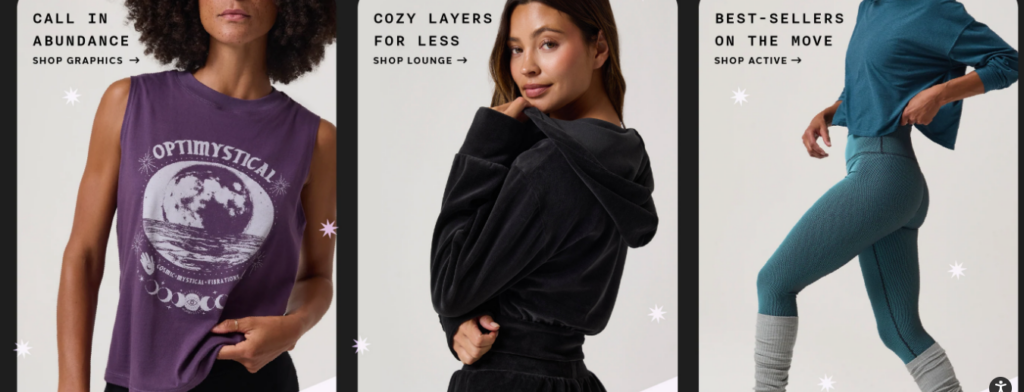
The announcement for the Grateful Collection emphasizes theme over technical specification, so the design discussion rests mostly on the brand’s established visual habits. Spiritual Gangster typically relies on short, legible phrases set in confident lettering, which allows a garment to communicate its message from a distance without relying on elaborate artwork. The Grateful Collection follows that logic by building around a single concept that wearers can grasp immediately. This restraint has practical benefits. A one-word theme pairs easily with neutral leggings, denim or layered sweatshirts, and it avoids the dated feel that busy graphics can acquire. The brand’s wider activewear listings on third-party retail sites, such as a muscle tank made from a polyester and elastane blend, suggest a stretch-oriented, studio-friendly construction across much of the catalog. Specific fabrics, cuts and sizing for each Grateful piece should be confirmed on the individual product pages, because the collection announcement does not itemize them.
How Spiritual Gangster Connects the Collection to Feeding America
The charitable structure is the most distinctive element of the Grateful Collection. The brand states that, in partnership with Feeding America, it donates proceeds from the collection to provide meals to people in need. The relationship is long-running. Spiritual Gangster began giving to the organization in 2011, initially alongside the 100 Million Meals Challenge led by Tony Robbins, and a 2017 release reported more than ten million meals provided. Later brand pages cite eleven million and then fifteen million meals, and a recent Hunger Action Month post describes donating a meal for every website order across eleven years. The differing totals reflect when each page was written and show a steady accumulation. Feeding America describes itself as a nationwide network of food banks supported by tens of thousands of food pantries and meal programs, which gives the donations a recognized channel.
Spiritual Gangster Pricing, Access and Shopping Experience
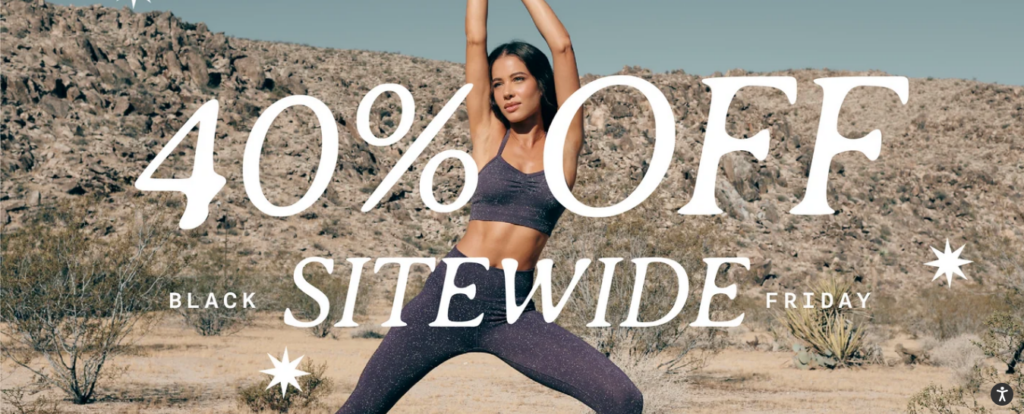
Pricing for Spiritual Gangster sits in the premium athleisure range, and the Grateful Collection should be assessed with that in mind. A local news outlet once described the brand’s price tags as hefty while noting the donation component, and a third-party retailer lists a branded active tank at a price in the high double digits. Current figures for individual Grateful pieces change with inventory and promotions, so the brand’s website is the dependable reference. That website was redesigned by an agency with an emphasis on discovery by aspiration, letting shoppers browse by mood or theme and then narrow by product type or collection. For a thematic line such as the Grateful Collection, this approach is a good fit, since the collection can be found as a coherent group instead of being scattered across category pages. Newsletter sign-ups are commonly cited as a way to learn about drops and sales early.
Spiritual Gangster Practical Use and Everyday Wear
In practical terms, a collection built around a single affirming word is useful because it works in more than one setting. Pieces from the Grateful Collection can serve a yoga or pilates class, a walk, travel days or casual errands, and the message stays consistent whichever way the clothing is worn. The giving component also creates natural occasions for gifting, particularly around awareness periods. Spiritual Gangster has previously used September’s Hunger Action Month to highlight its work, and in one earlier campaign it pledged eight meals per item sold on a single day to draw attention to the statistic that one in eight Americans faces hunger. A collection about gratitude fits that kind of seasonal moment well. A celebrity-backed charity T-shirt from the brand once sold more than seven thousand units and raised roughly two hundred forty thousand dollars for Feeding America, which shows that message-driven garments can generate meaningful donation volume.
Spiritual Gangster Position in the Cause-Driven Athleisure Market

Charitable giving has become a familiar feature of athleisure and wellness fashion, and Spiritual Gangster competes in a field where many labels attach a cause to their marketing. What separates the brand is the length of its commitment and the singularity of its focus. Coverage of cause-oriented activewear has noted both its Feeding America meal program and its occasional contributions to groups such as Make-A-Wish and the Cambodian Children’s Fund, yet the central relationship has stayed with hunger relief. Earlier trade reporting also observed that the brand did not publish the exact portion of each sale that was donated, and the Grateful announcement likewise speaks of proceeds without stating a percentage or fixed amount. The collection benefits from a credible partner and a long track record, but greater detail on donation mechanics would strengthen its standing against competitors that publish precise figures.
Spiritual Gangster Audience Fit and Buying Considerations
The Grateful Collection is best suited to shoppers who already respond to affirmation-based clothing and who value a documented link between a purchase and a charitable outcome. Yoga practitioners, wellness-minded gift buyers and long-standing followers of the label are the most natural audience, since the theme echoes the vocabulary the brand has used for years. Readers who prefer minimal or unbranded activewear may find the slogan-led approach less appealing, and the premium positioning will matter to anyone comparing it with lower-cost basics. Several points deserve attention before buying. Meal totals quoted across the brand’s pages vary by date, the donation share is described only in general terms, and product-level specifications are best confirmed on the live listing.