



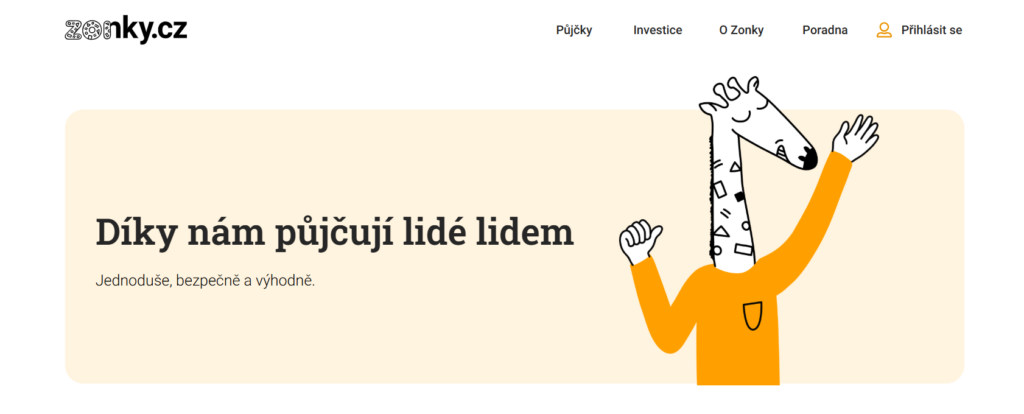
In a world where financial decisions can feel overwhelming, Zonky emerges as a beacon of hope for both borrowers and investors alike. Imagine a platform that not only connects individuals seeking funds with those eager to invest but also prioritizes responsible borrowing and ethical investing. In an age where transparency is key, Zonky redefines the lending landscape by promoting trust, community support, and sustainable growth. Join us as we explore why Zonky isn’t just another fintech app; it’s paving the way for a new era in finance—one that champions responsibility, empowers users, and fosters meaningful connections. Discover how this innovative approach could reshape your financial future!
Current state of borrowing and investing
The current landscape of borrowing and investing is complex. Traditional banks often impose strict criteria for loans, leaving many potential borrowers underserved. High interest rates can deter individuals from seeking necessary funds. On the other side, investors face challenges too. The stock market fluctuates unpredictably, making it hard to find stable opportunities. Many are searching for alternative investment routes that align with their values and financial goals. Peer-to-peer lending platforms have emerged as a solution, offering flexibility and accessibility. These services connect borrowers directly with lenders, bypassing traditional financial institutions entirely. However, concerns about responsible practices linger in this evolving space. Ensuring transparency and accountability remains critical for both parties involved in these transactions. As society shifts towards more ethical finance options, the demand for innovative solutions grows stronger every day.
How Zonky is different from traditional lending and investing platforms
Zonky stands out in the crowded financial landscape by embracing a peer-to-peer model. Unlike traditional banks, which often rely on rigid credit scores and lengthy approval processes, Zonky connects individual borrowers directly with investors. This innovative approach fosters a more personal connection. Transparency is another key differentiator. Zonky provides detailed profiles of borrowers, allowing investors to make informed decisions based on real stories rather than just numbers. Fees are typically lower compared to conventional platforms, benefiting both parties. Borrowers enjoy reduced costs while investors retain more of their earnings. Moreover, Zonky emphasizes community engagement. By facilitating direct lending relationships, users can support each other’s goals while contributing positively to society’s financial health. This level of interaction is rarely found in traditional banking systems where interactions feel distant and transactional.
The benefits of using Zonky for borrowers and investors

Zonky offers a refreshing approach for both borrowers and investors. For borrowers, the platform simplifies access to funds with competitive interest rates. This transparency in pricing fosters trust, making financial decisions easier. Investors find value in Zonky’s unique model as well. They can diversify their portfolios by funding peer-to-peer loans that match their criteria. With detailed profiles available for each borrower, investors feel empowered to make informed choices. Safety is another significant advantage of using Zonky. The platform employs robust risk assessment tools to evaluate potential borrowers thoroughly. This means lower default rates and more reliable returns for investors. Moreover, the sense of community cannot be overlooked. Borrowers share personal stories while seeking support from individual lenders who understand their situations. It’s an engaging way to connect money with meaningful impact—creating bonds beyond mere transactions in finance.
The importance of responsible borrowing and investing in today’s society
Responsible borrowing and investing have become essential in our fast-paced financial landscape. With easy access to loans and investment opportunities, people often overlook the long-term implications of their decisions. The consequences of reckless borrowing can be severe. Debt can spiral out of control, leading to stress and financial instability. Individuals may find themselves trapped in a cycle that is hard to escape once they lose sight of their goals. On the other hand, responsible investing fosters financial literacy and empowers individuals to make informed choices. It encourages them to assess risks thoughtfully while considering their personal circumstances. In a world where instant gratification reigns supreme, cultivating patience and strategy is vital for sustainable growth. By prioritizing responsibility in these areas, we not only secure our finances but also contribute positively to the broader economy—promoting stability for future generations.
How Zonky promotes responsible practices in their platform
Zonky stands out by emphasizing transparency and education. Borrowers can access clear information about their loans, including terms and interest rates. This clarity helps them make informed decisions. The platform also encourages responsible borrowing through its risk assessment tools. By evaluating borrowers’ financial situations, Zonky ensures that individuals don’t take on more debt than they can manage. Investors are not left behind either. Zonky provides detailed profiles of borrowers, allowing investors to understand the risks associated with each loan. This fosters a culture of mindful investing. Additionally, Zonky promotes community engagement through forums and resources. Users share experiences, tips, and advice on managing finances effectively. Such initiatives cultivate a sense of responsibility among users while creating a supportive environment for both borrowers and investors alike.
Future potential of Zonky and the impact it can have on the financial industry

Zonky is poised to disrupt the traditional financial landscape in remarkable ways. Its innovative peer-to-peer lending model fosters a sense of community among borrowers and investors, allowing for personalized connections that conventional banks often overlook. As more users embrace this platform, it could redefine risk assessment in lending. Zonky’s data-driven approach enables tailored loan options based on individual circumstances rather than rigid credit scores. This flexibility not only benefits borrowers but also empowers investors with opportunities previously unavailable through traditional channels. They can fund projects they believe in, aligning their financial resources with personal values. The potential for growth is significant as the demand for ethical financing rises. With its commitment to transparency and responsible practices, Zonky may lead a movement towards a more sustainable and equitable financial ecosystem. This evolution could set new standards across industries, challenging outdated norms while fostering trust between parties involved.
Why Zonky is the future of responsible borrowing and investing
Zonky represents a significant shift in the way we approach borrowing and investing. By connecting individuals directly, it fosters an environment where transparency and trust flourish. Unlike traditional platforms that often prioritize profit over people, Zonky prioritizes community. The platform’s focus on responsible lending practices ensures that borrowers are not only able to access funds but do so without the burden of unmanageable debt. Investors also benefit from this model, as they contribute to real-world projects while earning competitive returns. This mutual benefit creates a win-win situation for both parties involved. Success stories from Zonky users illustrate its positive impact on lives—whether helping someone fund their small business or enabling an individual to make necessary home improvements. These narratives highlight how personal connections can lead to financial growth, reinforcing the idea that money should be used as a tool for empowerment rather than stress.